




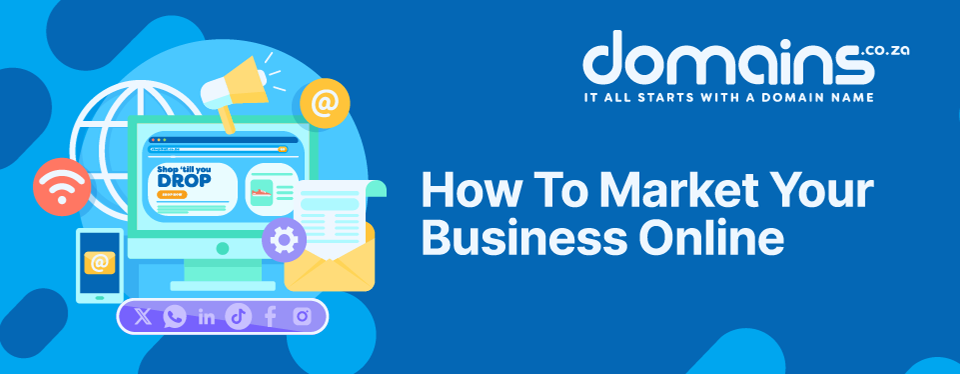
How To Market Your Business Online: Digital Marketing In South Africa
Creating a business and solution-driven products or services to sell are only half of the story. You need to understand how to market your business online too! And this is often where things become a little unclear, especially for SMEs trying to ‘win’ at business marketing in South Africa.
Just having a website isn’t enough, and while social media is a powerful tool to use, building your entire strategy around it alone, won’t deliver the growth your business is after. You need a structured, multi-platform approach to achieve this.
In this blog, we share the top digital platforms and fundamentals that your SME should focus on to effectively market your business online.
KEY TAKEAWAYS
- Digital marketing is essential if you want to grow your reach and stay competitive these days.
- Understanding your target audience is a must! If you don’t know who they are, you won’t know where they spend their time online.
- A professional, well-optimised website is the foundation of all your digital marketing efforts.
- SEO is not a one-and-done approach; you need an ongoing strategy.
- A multi-channel digital marketing approach across email, social media, mobile, etc. is necessary to strengthen your overall visibility online.
- Combining organic and paid strategies is key to effective business marketing in South Africa.
- Partner with a trusted provider like Domains.co.za to get the essentials in place – domain names, web hosting, website builders, and more – and set your digital marketing up for success.
TABLE OF CONTENTS
What Is Digital Marketing?
Digital marketing refers to the various online platforms a company can make use of to market a business on the web. It is one of the best forms of marketing when it comes to reach. As, according to DataReportal there are currently an audience of over 50 million South African internet users, and it is growing rapidly every day. Internet users are shopping, browsing and comparing products and services online and if you want your audience to find you, you must showcase what you do on multiple platforms, and do so continuously.
Benefits Of Digital Marketing
It’s affordable
Digital marketing is cheaper than radio or print advertising. SMEs can start with a modest budget and still reach a relevant audience, making it possible to take advantage of this medium even if your business is just starting out, and you can adjust as you grow.
It’s flexible
Like mentioned above – you are in control and can adjust your budget as your business’s finances allow. However, its flexibility also stems from a company’s ability to test various strategies and campaigns in real-time. An ad that’s not working can be adapted quickly without wasting time or money.
It’s highly targeted
One of the biggest advantages is the ability to target specific audiences. You can narrow down your targeting, to who sees your content or ads based on location, interests, behaviour and search intent. In being able to do this your marketing efforts can be more focussed and effective.
You can measure your results
At any point in time, you can get access to data and insights about campaigns. You can track website visits, clicks, conversions, and engagement. Knowing these results can help you figure out whether your ads are effective or not. This way, you can adjust them to do better next time.
Audiences are spending a lot of time online
According to a global review by DataReportal” alt=”Link to Data Portal – Digital 2025: Global Overview Report” title=”Data Portal – Digital 2025: Global Overview Report” target=”_blank” rel=”noopener”>DataReportal, internet users are spending an average of 6.5 hours online every day – browsing social media, searching Google, or checking mails. This means your audience is already online and ‘going about their business’. Meet them where they are, by launching strategic digital marketing campaigns.
Digital Marketing: 4 Foundational Steps to Success
The crucial part of understanding how to market your business online is how to do so effectively.
Sure, if you have an @gmail account, a WhatsApp Business account, and Facebook page, you can execute a couple of digital campaigns via these platforms, but without clear goals and a solid base (a professional website), will you really be achieving optimal results? Sadly, no.
Get started with these essential steps to further optimise what you do online:
Step 1: Know who your audience is
You must identify your target audience; know exactly you who your business wants as its ideal customers – the first step to creating a strategy that will work.
Ask and answer:
- Who is my ideal customer?
- What do they need?
- What are their interests?
- What are their challenges?
- Where do they spend their time online?
- What kind of content will ‘speak’ to them?
Step 2: Create a professional and responsive website
Your website is at the core of everything you do online. This should be the updated ‘headquarters’ of everything you sell. Here potential customers will be directed to learn more and find out how to contact you.
Your website must be:
- Responsive – because over DataReportal” alt=”Link to Data Portal – Digital 2025: Global Overview Report” title=”Data Portal – Digital 2025: Global Overview Report” target=”_blank” rel=”noopener”>90% of South Africans own cellphones, and according to Electronics Hub report, 5 hours 13 minutes is spent on phones daily.
- Professional – because people trust neatly designed websites that portray your brand in a consistent, professional manner. From the domain you register to the tone of voice you use in your content and the quality of the imagery you display – ensure it represents your brand in the best way possible.
- User-friendly – because sites that are difficult to navigate, or are slow to load, will lead to high bounce rates (when people leave quickly); which will also affect your Search Engine Optimisation (SEO).
Search and register a domain name that reflects your brand and business and sign up for Web Hosting that’s fast, reliable and secure.
RELATED: Getting Your Small SA Business Online Costs Less Than You Think
Step 3: Optimise your website with basic SEO
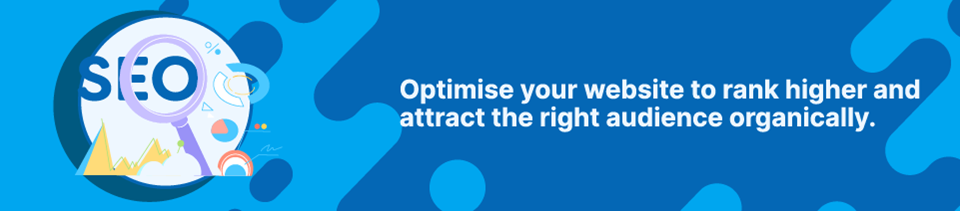
Search Engine Optimisation (SEO) helps your website get found on platforms like Google. Start with the basic on-page SEO: use relevant keywords, write clear page titles and descriptions, optimise images, and ensure your site loads quickly.
This step lays the groundwork for long-term visibility and plays a major role in business marketing in South Africa, where more users are relying on search to find services.
Step 4: Set clear goals and tracking
Before you start marketing, decide what ‘success’ looks like for your business. Are you aiming for more website traffic, leads, or sales?
Set clear goals and use tools like analytics to track your progress. This allows you to measure what’s working, identify areas for improvement, and refine your strategy as you grow. Without tracking, it’s difficult to know whether your efforts are paying off.
How to Market Your Business Online: 7 Ways to Drive Growth
1. Social Media Marketing
Social media marketing involves using platforms like Facebook, Instagram, TikTok etc to promote your business, connect with your audience, and share content. It’s one of the most accessible ways to build brand awareness and stay top of mind. It also allows for direct interaction with your audience, which helps build trust over time.
How to use it:
- Post consistently with a mix of valuable and promotional content
- Engage with your audience regularly
- Use a Link in Bio tool to drive traffic to key pages
- Track performance and adjust your strategy
2. Ongoing SEO Strategies
SEO (Search Engine Optimisation) is the process of improving your website, so it ranks higher on search engines like Google. It helps your business get discovered by people actively searching for your products or services, making it a powerful long-term strategy.
How to use it:
- Create and update content regularly
- Target relevant keywords
- Improve site performance and mobile usability
- Build backlinks to strengthen authority
- Maintain your Google Business Profile for local visibility
RELATED:Tips to Get Started With Off-Site SEO For Your Small Business Website
3. Email Marketing
Email marketing involves sending targeted messages directly to your audience’s inboxes to promote your business, share updates, and build relationships. It gives you direct access to your audience without relying on algorithms, making it ideal for nurturing leads and encouraging repeat business.
How to use it:
- Build and grow your email list
- Segment your audience
- Use a professional domain-based email
- Include clear CTAs in every email
4. Pay Per Click (PPC) Ads
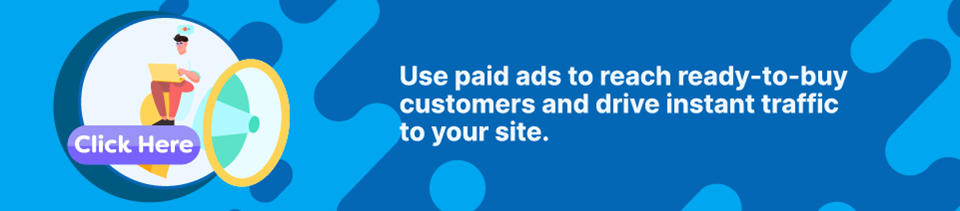
PPC is a form of paid advertising where you pay each time someone clicks on one of your ads. This includes search ads, display ads, and paid social campaigns, often managed through platforms like Google Ads. It delivers immediate visibility and allows you to target users who are ready to take action.
How to use it:
- Target the right keywords and locations
- Set a clear budget
- Optimise landing pages
- Track ads and tweak if needed
5. Content Marketing
Content marketing focuses on creating and sharing valuable content to attract and inform your audience. This content aims to position your brand as an ‘expert’ in your particular field. It builds trust, supports SEO, and positions your business as knowledgeable and reliable.
How to use it:
- Create helpful blogs, vlogs, podcasts, guides and videos
- Answer common customer questions
- Share content across platforms
- Focus on ‘value’ over ‘selling’
6. Affiliate & Influencer Marketing
Affiliate marketing involves partners promoting your business in exchange for a commission, while influencer marketing involves working with individuals who promote your brand to their audience. Both approaches help you reach new audiences through trusted voices, increasing credibility and exposure.
How to use them:
- Partner with relevant creators or businesses
- Set clear goals (sales vs awareness)
- Use trackable links or codes
- Choose partners aligned with your audience
7. Mobile Marketing
Mobile marketing focuses on reaching users on their smartphones through channels like SMS, apps, and mobile-friendly websites. As mentioned before, most users access the internet via mobile, making this a critical part of how to market your business online.
How to use it:
- Ensure your website is mobile-friendly
- Use WhatsApp Business for communication
- Send SMS campaigns where relevant
- Optimise all content for mobile viewing
With a trusted partner like Domains.co.za, you can simplify the process of getting a ‘solid base’ online. From domains and hosting to email and website tools, you’ll have everything you need to market your business online with confidence.
![Strip Banner Text - Use social media to build real connections and add Link in Bio to maximise clicks [Learn more]](https://www.domains.co.za/blog/wp-content/uploads/2026/05/sa-digital-marketing-04.webp "Use social media to build real connections and add Link in Bio to maximise clicks [Learn more]")
How to Choose the Right Web Hosting Plan for Your Website
VIDEO: How to Choose the Right Web Hosting Plan for Your Website
FAQS
What is the best way to market your business online?
The best way to market your business online is to use a mix of platforms rather than relying on one single one. Start with a strong foundation, a professional website and basic SEO, then build your brand through social media, content marketing, email, and paid advertising.
How do I start digital marketing for my business?
Start by defining your target audience and setting clear goals. Then create a website, optimise it for search engines, and choose one or two platforms (like social media or email) to focus on. As you grow, you can expand into more channels.
Do I need a website to market my business online?
Yes. While you can promote your business on social media, a website gives you full control over your content, builds credibility, and acts as a central place where customers can learn more and then take action.
How long does it take to see results from digital marketing?
It depends on the strategy. Paid advertising can deliver results quickly, often within days, while organic methods like SEO and content marketing take longer but provide more sustainable, long-term growth.
What is the difference between SEO and PPC?
SEO focuses on improving your website’s visibility in organic (unpaid) search results, while PPC involves paying for ads to appear at the top of search engines or on social platforms. Both work best when used together.
How much should I budget for digital marketing?
Your budget depends on your business size and goals. Many small businesses start small by focusing on organic strategies and gradually invest in paid ads as they begin to see results and understand what works.
Which digital marketing platform is best for small businesses in South Africa?
There isn’t a single “best” platform. Social media is great for visibility, SEO helps you get found on search engines, and email marketing is effective for building relationships. The right mix depends on your audience and your goals.
Other Blogs of Interest
- Email Marketing: Engagement Matters More Than Ever With Gmail’s New Manage Subscriptions Update
- Email Marketing: The affordable and effective platform your business can trust
- Link In Bio – Why Every Creator, Startup And SME Needs It
- 5 Innovation Strategies For SME Growth: A Different Way Of Thinking
- Why A .STORE Is The Perfect Domain Name For Selling Online

Chantél Venter is a creative writer, strategic thinker, and a serious gesticulator. She’s passionate about storytelling, small businesses and bringing color to the world – be it through her words or wardrobe.
She holds a four-year degree in Business and Mass Media Communication and Journalism. She’s been a copywriter and editor for the technology, insurance and architecture industries since 2007 and believes anybody can run a small business successfully. She therefore enjoys finding and sharing the best and most practical tips for this purpose.